

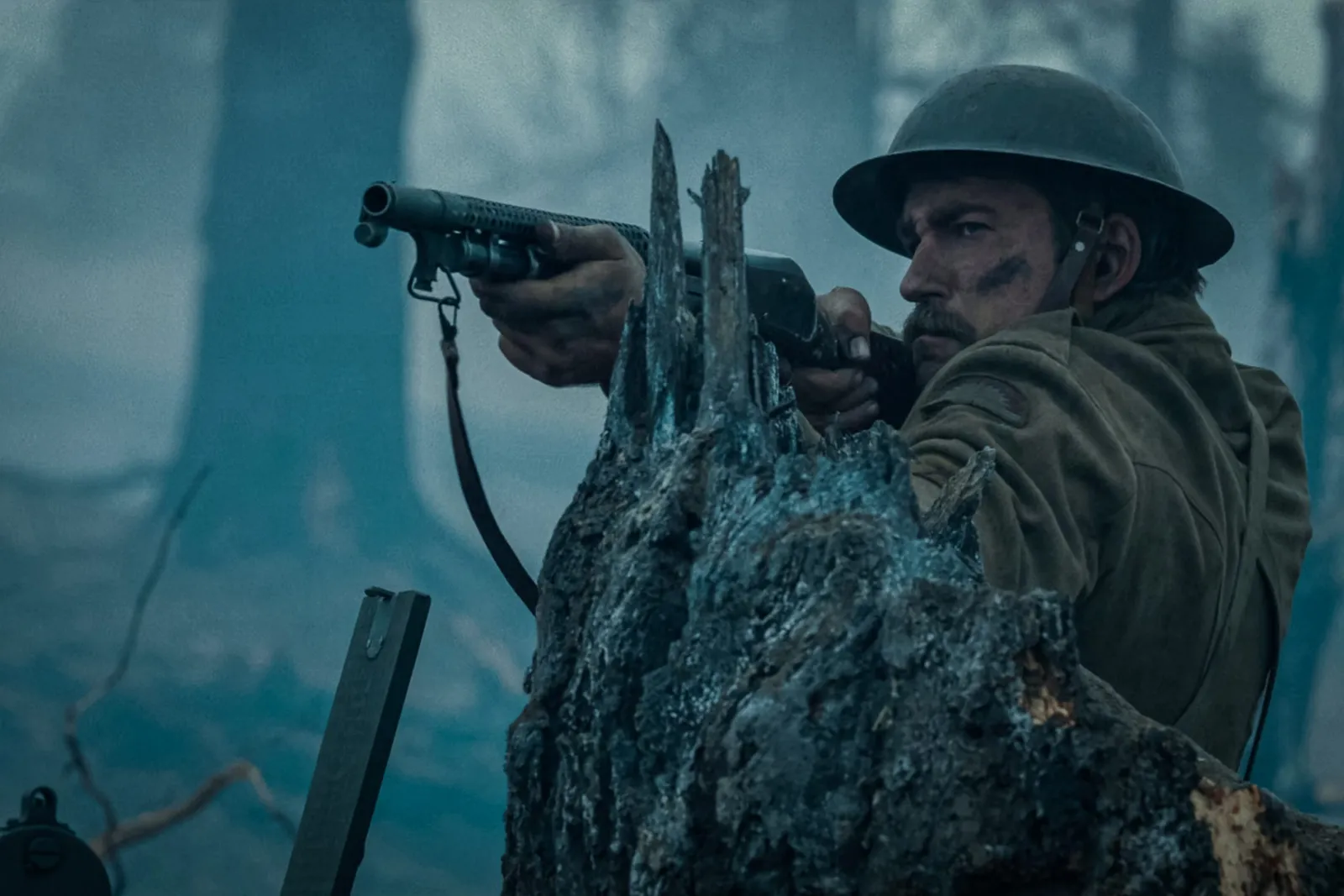
Winchester’s Model 1897 was one of the first modern U.S. military shotguns to be used in the World Wars. Called a “trench gun,” the Model 97 was a critical weapon American soldiers used to clear trenches during combat. The fighting was at close range, so they relied on a shotgun because of its ability to fire multiple projectiles (instead of just one) with a single pull of the trigger — a much more effective tool than a 1903 Springfield or 1917 Enfield rifle in hand-to-hand combat.
But U.S. soldiers actually began loading small lead pellets into smoothbore muskets two centuries before WWI. In his book American Military Shoulder Arms, Volume I: Colonial and Revolutionary War Arms, author George Moller references the Continental Army infantry using a payload known as “buck and ball” during the Revolutionary War.
“Instead of being loaded with just the standard .69-caliber single musket ball, they [U.S. Revolutionary soldiers] would have six or nine buckshot pellets, or what would be equivalent to our modern double-aught buckshot pellets,” said Danny Michael, curator of the Cody Firearms Museum. “So the musket ball and pellets were all together, and that’s why officers liked it because, as you can imagine, that’s a pretty devastating load at close range for a musket.”

Buck and ball continued to be loaded during the War of 1812 and into the American Civil War, though by then, many muskets were built with rifled barrels. That negated the effectiveness of a “shotshell” payload, as lead pellets do not perform well when shot through rifled barrels. In the late 1800s, repeating shotgun design — specifically pumps — was in its infancy. And that’s when the U.S. began to commission its first shotguns for American soldiers.
Over the centuries, the military shotgun has evolved. Once used only for guard duty, it moved into the field during the World Wars, Korean War, and Vietnam War. Today, the shotgun remains a combat firearm and a handy tool for breaching otherwise impenetrable barriers. Here is a closer look at the historic shotguns the U.S. military has employed since the Revolution.
GOOD GEAR – Embody the Ethos of the Quiet Professional With the B.R.C.C. Silencer Smooth Roast
Rundown of U.S. Military Shotguns
Spencer Riot Gun: WWI
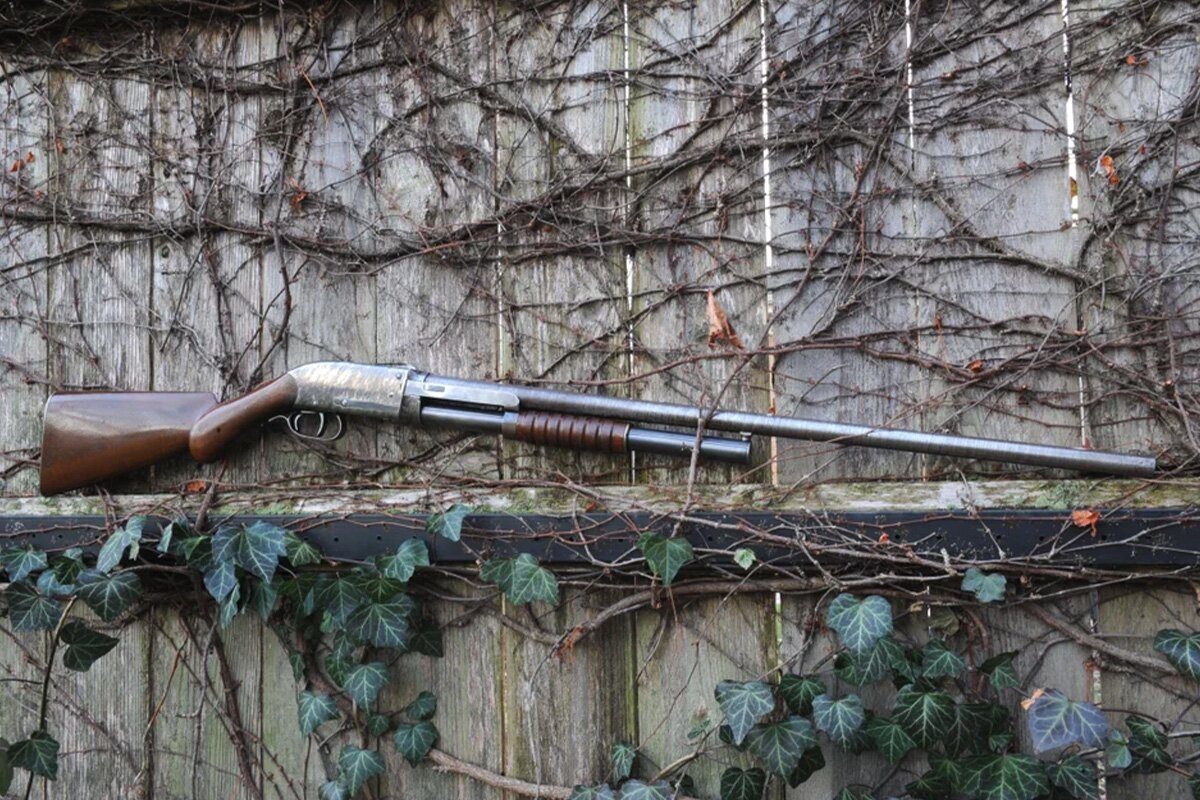
John Moses Browning developed some of the most prestigious firearms in American history, but his Model 1893 was not the first pump-action shotgun. Christopher Spencer, an engineer who designed a seven-shot repeating rifle that helped the Union win the Civil War, brought his top-eject pump shotgun to market in 1882.
The Spencer, used for guarding prisoners and factories during WWI, had the look of today’s bottom-eject pumps, such as Browning’s B.P.S. To load it, you’d slide 2 9/16-inch (the chambering length at the time) shells into the magazine port under the receiver. After the shotshell was fired and the forearm was moved rearward, the breech flipped up and tossed the shell.
The Spencer also had a second trigger, which cocked the hammer again if the round did not detonate, a common occurrence with paper-cased shotshells of the time. That allowed the shooter a second chance to fire the shotshell if the first trigger pull failed.
Winchester Model 1897: WWI – Gulf War
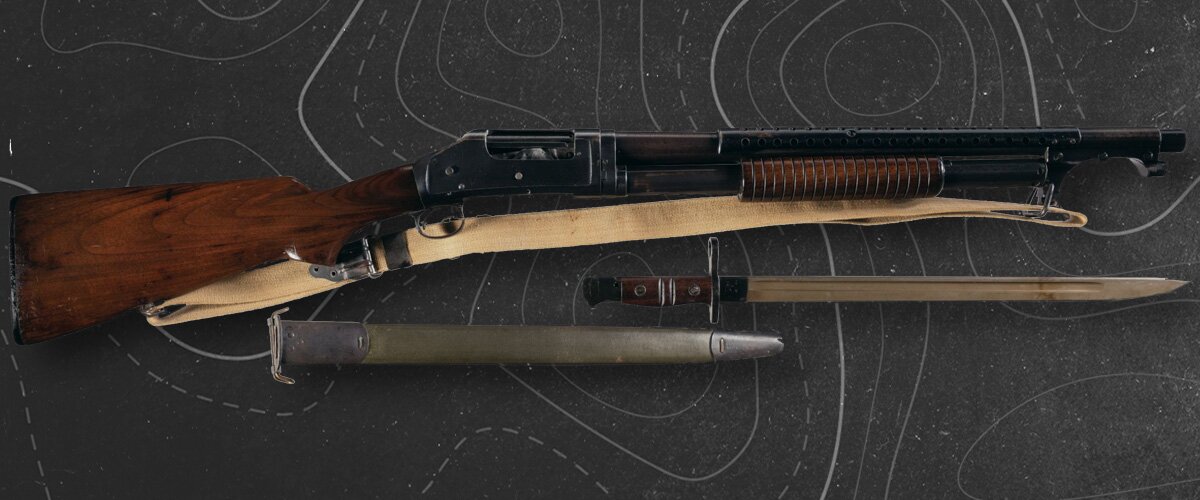
Winchester’s Model 1897 was a needed evolution of John Browning’s Model 1893. Shotshell makers began loading ammo with smokeless powder, and chamber lengths changed to 2 ¾ inches. That made the M93 obsolete because its metallurgy was only capable of firing black powder rounds, and it had a 2 5/8-inch chamber. In fact, if a civilian owned an M93 and it malfunctioned, Winchester was likely to send the M97 as a replacement — it was cheaper than fixing the old model.
The M97 12-gauge “trench gun” (it was used in close-range combat in the trenches, but mainly to guard German P.O.W.s at first) saw military action from WWI to the Gulf War. It had a 20-inch barrel, some of which were outfitted with a heat shield. In a combat situation, heat shields protect the operator’s off-hand since the barrel can become extremely hot when the gun is being used in a firefight.
The M97, which was offered in a takedown variant by 1898, could also be slam fired. This allowed the shooter to pull the trigger, hold it down, and fire one round after another by working the forearm. There were also M97s designed with bayonet lugs so that a 16-inch blade could be affixed below the muzzle. The add-on made the shotgun look menacing but was a hindrance when clearing trenches due to the added length.
“M97s got this mythical status in WWI because the Germans protested their use,” Michael said. “But the historical documents show that they were mainly used to guard prisoners. They saw more front-line action in WWII. There are a lot of pictures of Marines using them in the Pacific.”
Remington Model 10AWWI
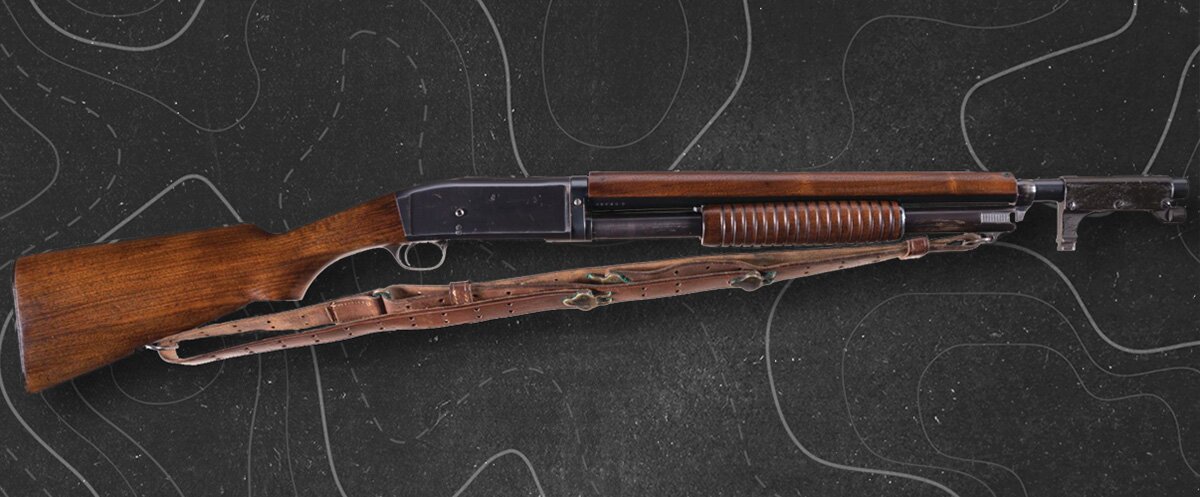
Due to the effectiveness of the Winchester M97 during WWI, front-line U.S. troops began to clamor for more trench guns. The problem was that Winchester was already operating at max capacity because they were also making rifles for the military. So, Remington stepped in and produced the Model 10A pump, their first slide-action shotgun, designed by John Pedersen in 1908.
The bottom-eject 12-gauge was a hammerless design and included a walnut handguard instead of the metal heat shield utilized by the M97. It had a 5+1-round capacity and a 23-inch barrel with a bayonet lug attachment. The M17 replaced the sporting version of the Model 10 and then the M31, the field version of which was able to compete with the iconic Winchester Model 12.
Winchester Model 12WWI, WWII, Korea, Vietnam
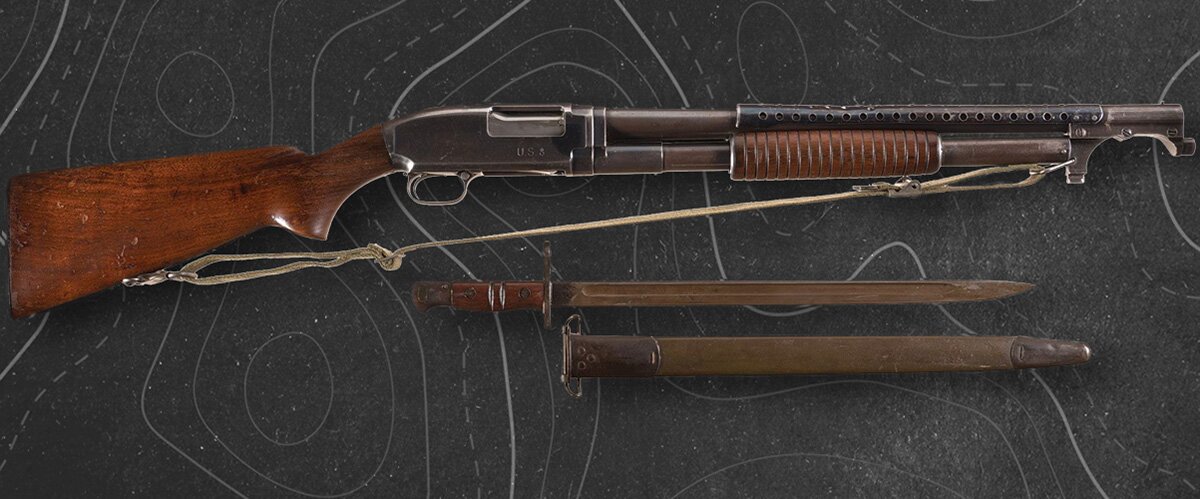
T.C. Johnson was the engineer behind the Winchester Model 12, one of the most revered duck guns in American history. It also served overseas in World War I, World War II, the Korean War, and the Vietnam War.
Based on John Browning’s design, the M12 trench gun sported a 20 3/4-inch barrel with a heat shield and an M1917 bayonet attachment (just like the M97). Chambered for 2 3/4-inch shotshells, the M12 included a pistol-grip stock and an 18-groove walnut forearm. Most (if not all) M12 trench guns had a built-in fixed Improved cylinder choke.
The M12 was a hammerless shotgun that also featured a cross-bolt safety, which the M97 did not have. Winchester continued to use a detached trigger so the M12 could be slam-fired, which Marines fighting in the jungles of Vietnam were quite appreciative of.
RELATED – New XS Lever Rail Models Fit Henry Carbines in .357, .44 Mag
Ithaca 37WWII, Korea, Vietnam
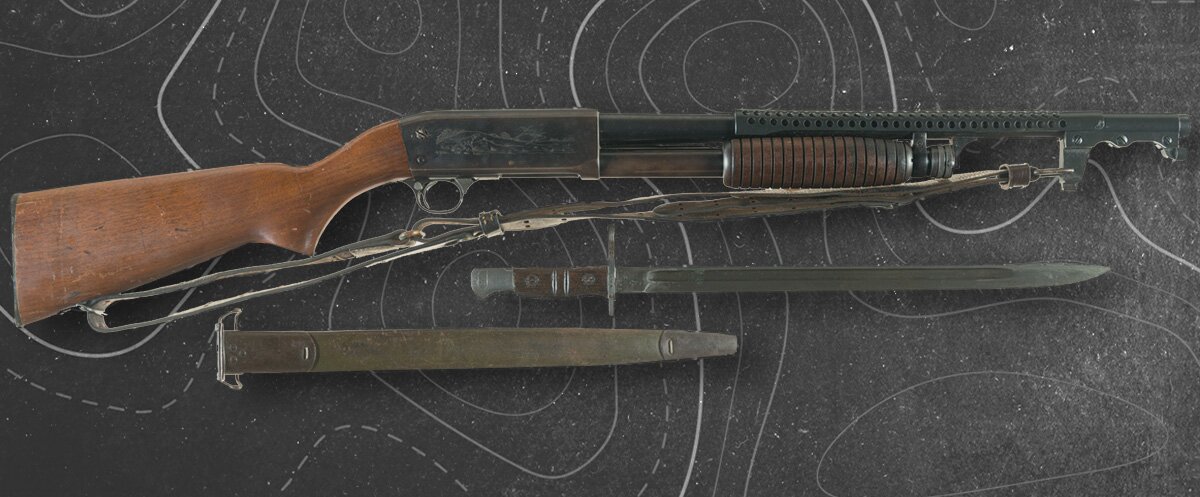
On the outside, the Ithaca 37 looks much like the Winchester M97 and M12, but they operate quite differently. The 37 was a bottom-eject shotgun, which allowed the operator to load and extract shotshells from a single port. This meant the gun would drop spent hulls at the shooter’s feet instead of casting them out of the right side of the receiver. The action was also protected a bit more on bottom-eject shotguns because it was harder for dirt and any other debris you might encounter afield to gum up the chamber since it was on the underside of the receiver.

Ithaca’s trench gun was used on a limited basis in WWII, but it saw more combat in Korea and the Vietnam War, where it was mainly carried by Navy SEALs and Marines. Another shotgun that’s based on John Browning’s work (and John Pedersen’s Remington 17), the designer of the 37 — Harry Howland — modified the firing pin and how the gun ejected to avoid infringing on any patents.
Ithaca’s 37 is still being produced today, though not in a trench gun variant. However, you can buy it in a 20- or 12-gauge home defense model.
Stevens M620WWII, Korea, Vietnam
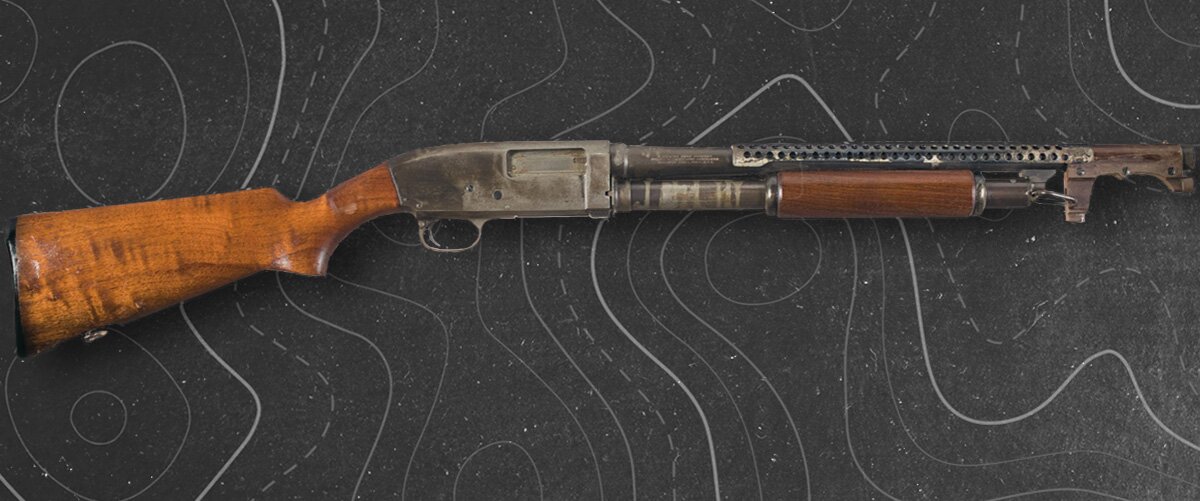
By now, you won’t be surprised to learn that the Stevens M620 was based on another of John Browning’s shotguns — the Stevens M520. The heat shield and bayonet lugs made it look quite similar to the Winchester M97 (minus the hammer) and M12.
Primarily used in WWII, the M620 and M520-30 (the trench gun version of the M520) also saw action in the Korean and Vietnam Wars. It had a 2 3/4-inch chamber, and a 20-inch barrel with a fixed Cylinder bore choke. The sporting versions of these shotguns were used to train gunners, who shot clay birds to prepare for aerial combat.
Browning Auto-5 WWI, WWII
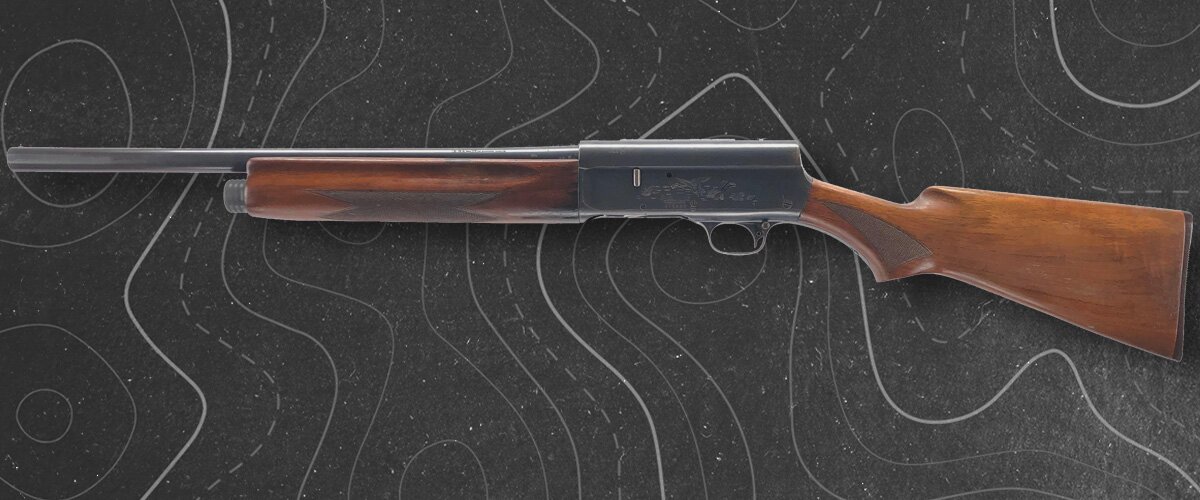
No semi-auto shotgun enjoyed as long a run as John Browning’s long-recoil Auto-5. The auto-loader came into production in 1903 and wasn’t discontinued until 1999. During that time, it was manufactured in multiple variants, including a trench gun that was used in WWI and WWII.
The Remington Model 11 (pictured above) was the Browning Auto-5, just going by a different name with minor differences and produced under a license agreement with Browning. Savage also produced the shotgun as its Model 720 and later the Model 745. The Auto-5 was initially produced by Fabrique Nationale de Herstal (F.N.) of Belgium from 1902 until the beginning of WWII.
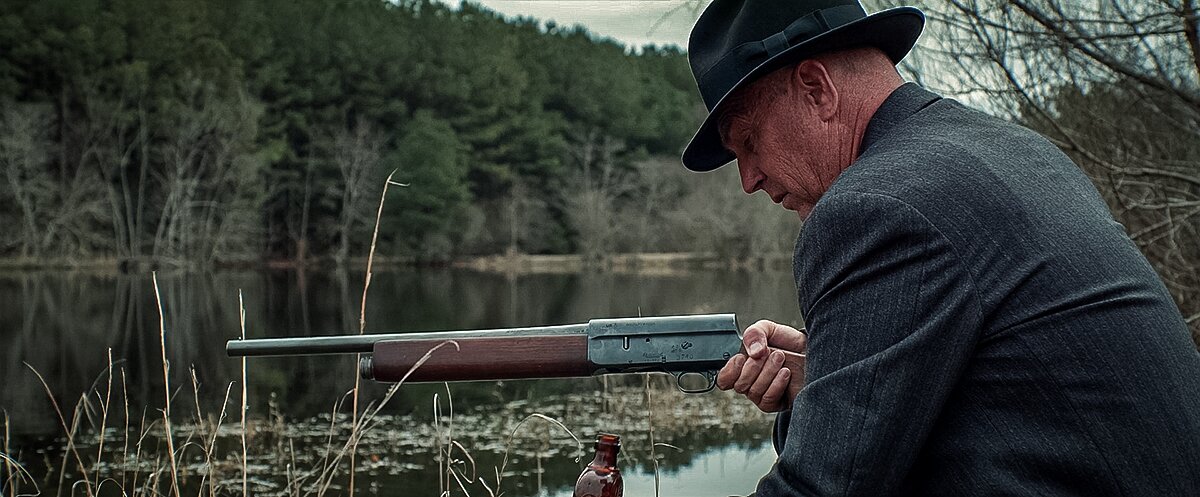
The shotgun saw service in the World Wars and was manufactured in the U.S. during Germany’s occupation of Belgium when the Germans took control of the F.N. factory. Production was completely moved to Remington. However, these Remington-produced Browning Auto-5s are slightly different from Model 11s made during the same time period — they had magazine cutoffs like the original Auto-5, whereas the Model 11 and the Savage variants did not.
Ultra-reliable, the Auto-5 had no gas system and instead operated on recoil, sending the bolt and barrel rearward after the shotshell was fired. As the bolt and barrel returned forward, they separated, so the spent hull could be ejected and a new one collected.
After a brief gap in production, the current Browning Arms introduced a new version of the gun in 2012 as the A5, which is quite different from the Auto-5. The A5 operates on a kinetic (inertia) platform. However, you aren’t likely to ever see it in a combat model.
Remington M870 Modular Combat Shotgun (M.C.S.)GWOT – Present
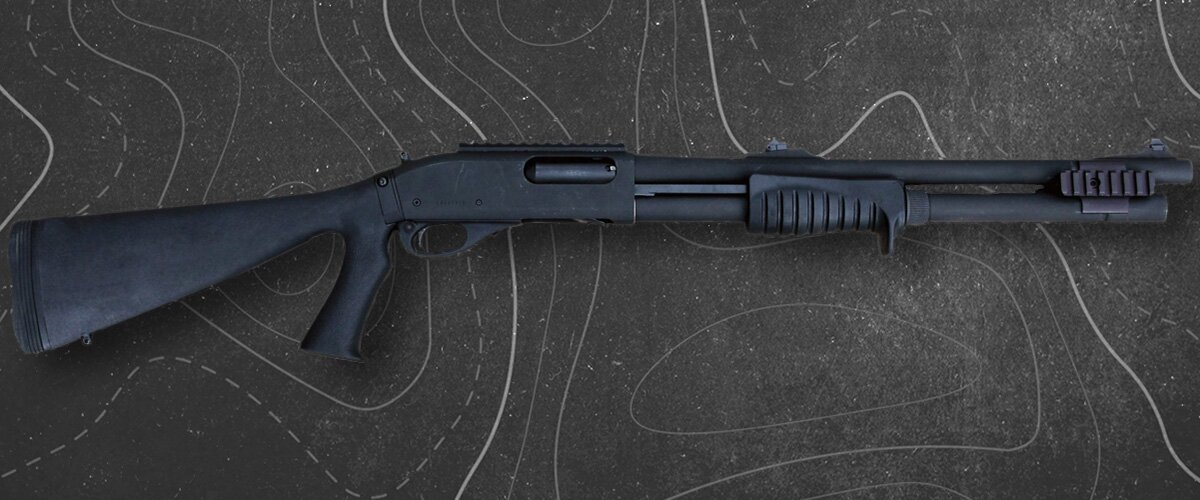
There have been more than 11 million Remington 870s sold since the pump-action debuted in 1950. But the M870 MCS is built (or at least assembled) much differently than a conventional Wingmaster, Express, or FieldMaster (the three sporting models of 870).
Michael Haugen, a Green Beret for more than 17 years, asked Remington to build a more modular military shotgun, and Big Green responded with the M.C.S., a platform that allows operators to choose from a 10-, 14-, or 18-inch barrel. You can also remove the shoulder-mounted stock and swap in a pistol grip to use the 870 like a handgun, though this configuration is mainly employed for breaching purposes (a special breaching round is loaded for increased penetration at short range).
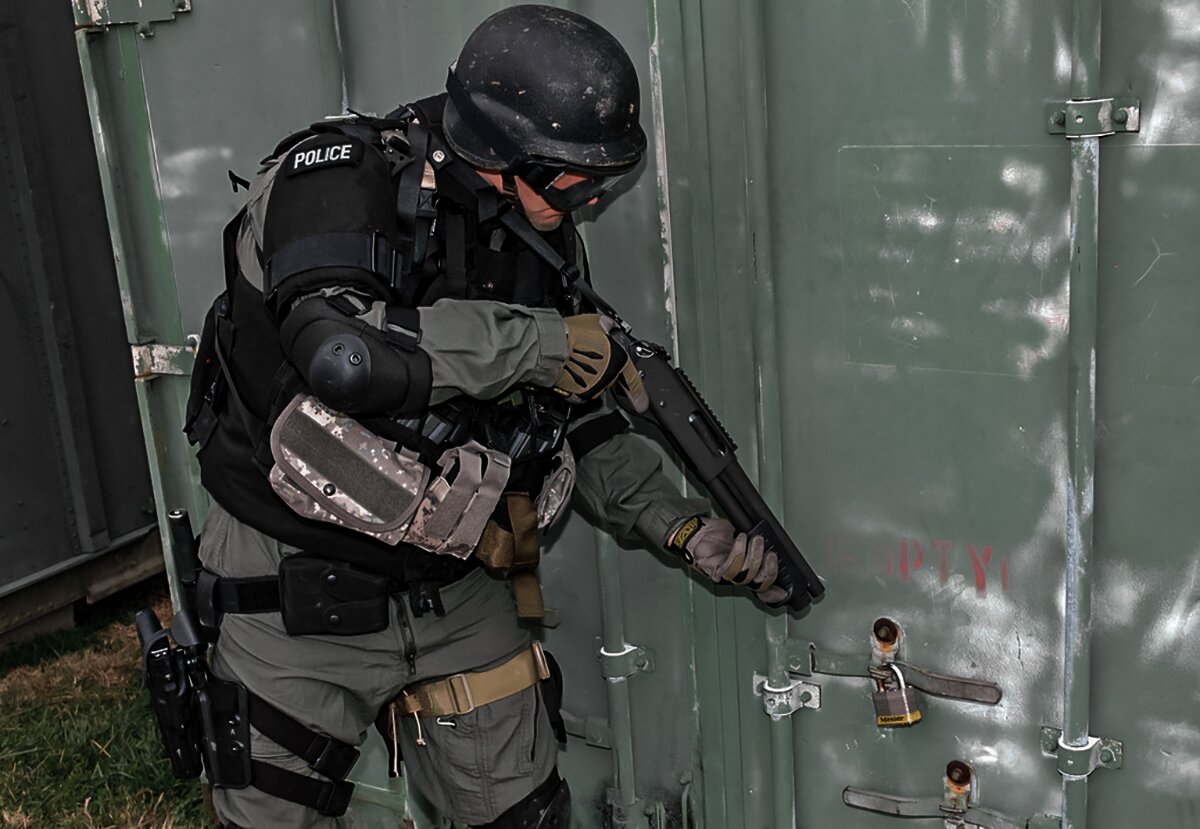
There is also a breaching accessory that can be attached to the Picatinny rail of an M4 or M16. U.S. Special Forces, such as Navy SEALS and Marine RECON, relied on the 870 in Iraq. The 12-gauge can hold between five and seven rounds, depending on the configuration, and weighs 7 to 8 pounds.
GOOD GEAR – Enjoy a Serious Caffeine Punch With the B.R.C.C. Ready To Drink 300
Mossberg 590A11987 – Present
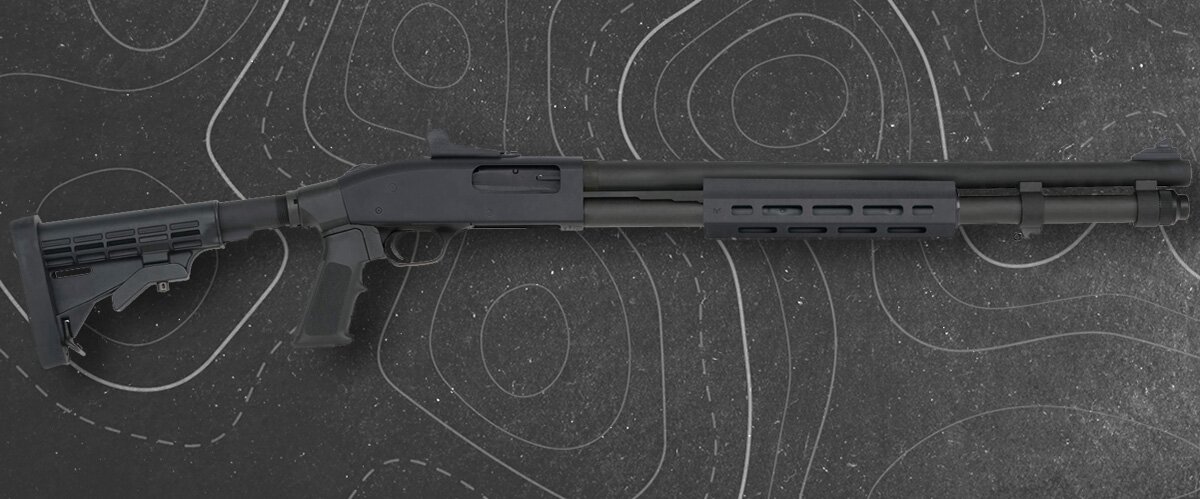
Mossberg’s Model 500 and Model 590 civilian shotgun series are some of the most adaptable pump shotgun platforms ever invented. Whatever you need from a shotgun, the 500 or 590 can do it. And the 590A1, the military variant, is just as impressive.
Used by the U.S. Army, Navy, and Marine Corps, the 590A1 has an 8+1 capacity and a 3-inch chamber. The six-position adjustable stock will fit a variety of shooters, plus the receiver is drilled and tapped to mount an optic. A tang-mounted safety makes it easy for a right- or left-handed shooter to operate.
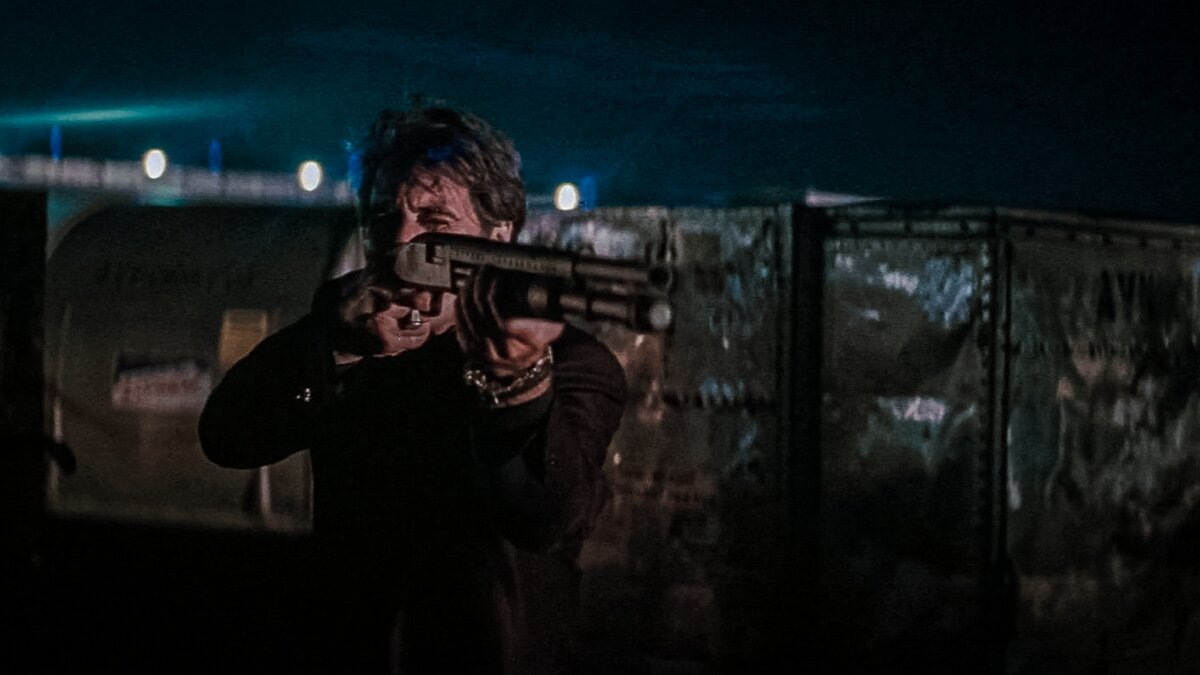
You can also take the gun off safe and shoot it faster because your trigger finger does not have to move from a side-trigger safety to the trigger. Also, any polymer parts on the M500, like the trigger and the safety switch, are steel on the 590A1.
Mossberg is still manufacturing this gun, and there are several civilian variants of the 590 and 590A1 available for personal defense.
Benelli M1014 / M41999 – Present
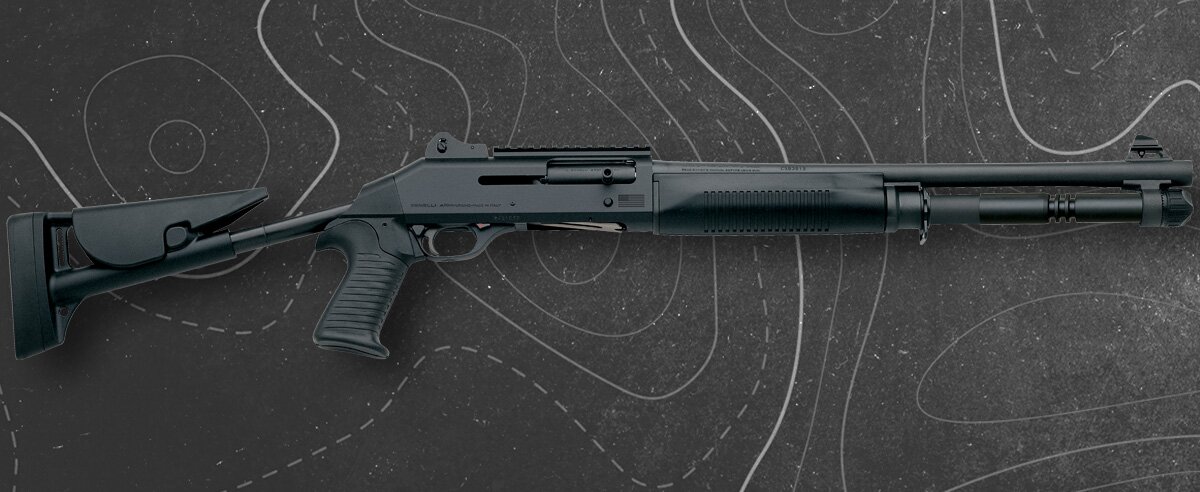
Marines took the gas-driven semi-auto Benelli M1014 (known to civilians as the M4) afield in Iraq and Afghanistan in the late 1990s, and it’s still being used by the U.S. Joint Services to this day. Benelli is known for inertia-driven shotguns, but it developed the more reliable Auto-Regulating Gas-Operated (A.R.G.O.) system for military use.
Two pistons drive the bolt backward, using the gasses generated by the shotshell’s propellant (the rest is bled off); a return spring sends the bolt forward. The M1014 can be loaded with 2 3/4- or 3-inch shotshells and has a 7+1 capacity. It’s 40 inches long overall, but a collapsible stock shortens the M1014 by 8 inches, so it’s less cumbersome and more packable.
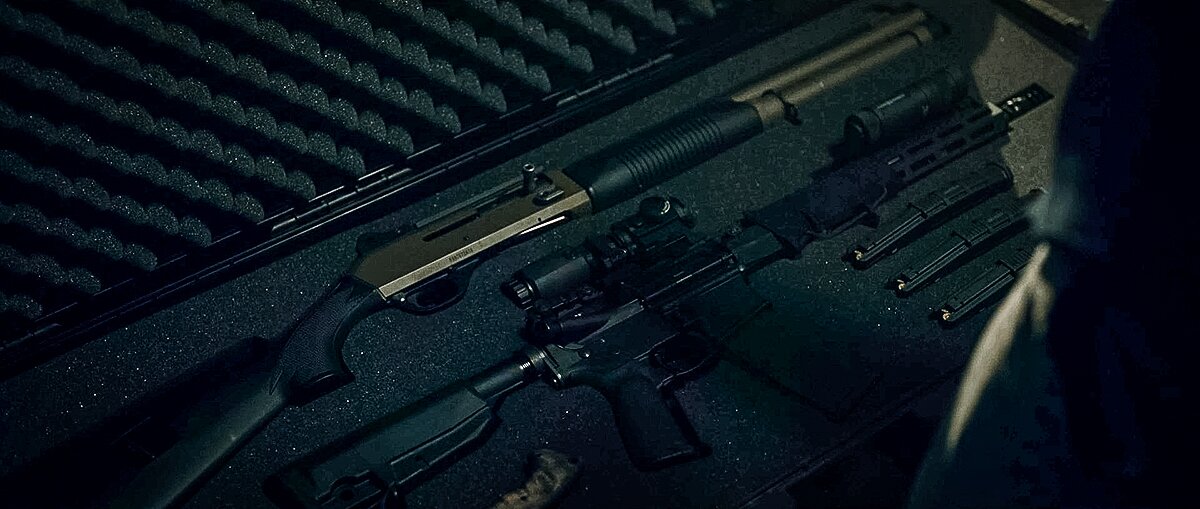
The one thing the Benelli cannot do reliably is cycle low-power ammunition, such as rubber-ball or pellet loads. Those have to be shot through a pump action. Benelli makes a popular civilian variant of these military shotguns called the M4. The major difference between that gun and the M1014 is the civilian version only comes with a 4-round magazine.
M26 Modular Accessory System (MASS)GWOT – Present
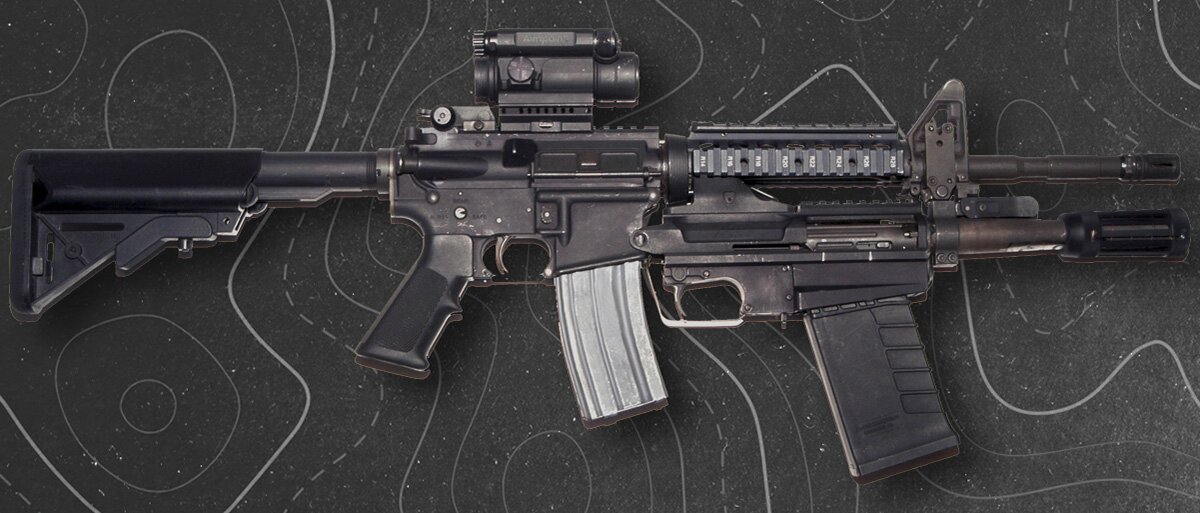
The M26-MASS has become a primary breaching tool for the U.S. military after getting its start in the Iraq War. It’s designed to attach to a mounting system under an M4 carbine, so a breacher can also act as a rifleman without switching primary weapons, though it can be used on its own when attached to a collapsible stock assembly.
The M26 is a 12-gauge with a 3- to 5-round detachable box magazine that weighs in at 3 pounds and has a reversible safety and charging handle for ambidextrous operation. It was developed by C-More Systems and is produced by Vertu Corporation.
The concept is based on the Masterkey shotgun developed by Knight’s Armament Company back in the 1980s. That shotgun was based on a shortened Remington 870 shotgun with the same goal, allowing a short shotgun to be mounted under an M16 rifle or M4 carbine for breaching and short-range shotgun applications.
This compact and versatile M26 can shoot 2 3/4- or 3-inch shotshells — from breaching to less lethal loads — through a fixed Improved cylinder bore. And the detachable magazine allows the user to switch among different types of ammo faster and more easily than any shotgun with a tube magazine.
READ NEXT – Savage 1911 Pistols Join the Party in .45 A.C.P. or 9mm